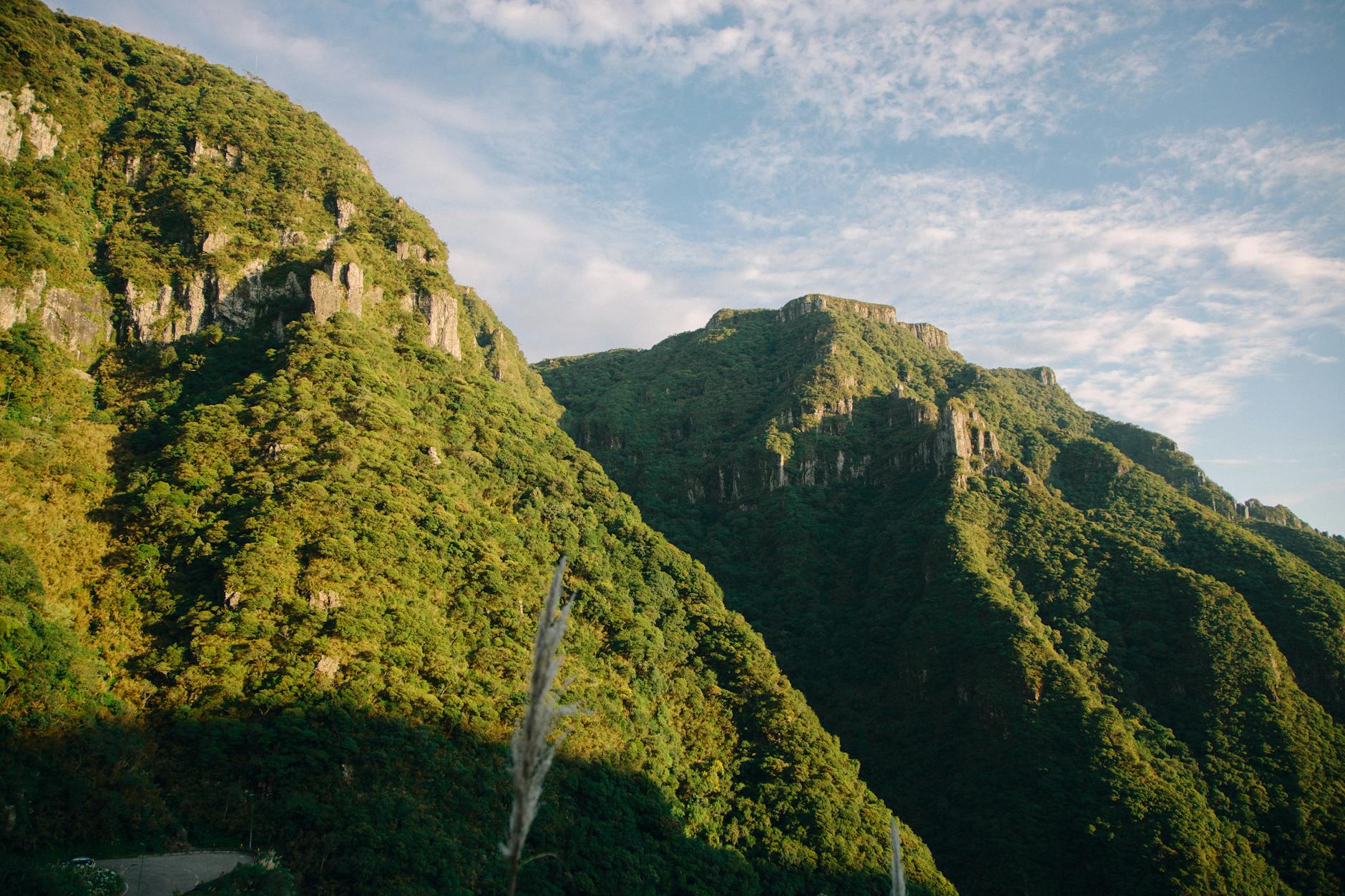

The Dominican Republic is a nation blessed with an incredibly diverse array of natural landscapes and ecosystems. From pristine beaches and mangrove lagoons to misty cloud forests and towering mountain ranges, the country’s rich biodiversity is on full display.
Recognizing the importance of preserving these ecological treasures, the United Nations Educational, Scientific and Cultural Organization (UNESCO) has designated several national parks within the Dominican Republic as World Heritage sites.
These protected areas not only safeguard unique flora and fauna, but also provide a window into the nation’s indigenous cultures and historical roots. Join us as we explore these UNESCO wonderlands, natural havens teeming with life and holding deep significance for the identity of the Dominican people.

1. National Park of the East (Parque Nacional del Este): Located on the southeastern coast of the country, this national park is a UNESCO World Heritage site known for its exceptional biodiversity. The park encompasses various ecosystems, including tropical forests, mangroves, and marine areas. It is home to diverse wildlife, including the endangered West Indian manatee and the Rhinoceros iguana. Saona Island, a popular tourist destination, is part of this protected

2. Colonial City of Santo Domingo (Santo Domingo): Located in the capital city, it contains the oldest permanent European settlement in the Americas dating back to 1496. It has great historical and architectural significance as the roots of Western expansion and features fortifications, plazas, churches from the 16th-17th century.

3. Natural Reserve of the Jaragua National Park (southwest coast): Covering over 400,000 hectares along the southwest coast, it protects dry forests and endangered wildlife like Hispaniolan parrots. It has exceptional biodiversity value as a refuge for endemic plants and animals found nowhere else.

4. Valdesia Archaeological Site (near Peravia province): Situated near the city of Peravia, it contains ruins from the Valdesia culture which established settlements here between the 5th-7th centuries AD. Remains include petroglyphs, walls, and structures demonstrating the lifestyle and traditions of this pre-Columbian people.

5. San Cristóbal Fortress Complex (Santo Domingo): Located in the capital, it features a 1570s citadel and supporting fortifications reflecting the adaptive defense approaches of the Spanish Empire. It illustrates military architecture innovations and the power struggle over this strategic Caribbean location.

6. Central Cordillera/Greater Antilles Ecoregion (central mountain range): Encompassing forests along the mountain spine, it connects various protected areas and safeguards habitats for species like Hispaniolan parrots found only on this island. It represents globally important biodiversity.

7. La Vega Cataracts National Park (La Vega province): Situated near the city of La Vega, it showcases a scenic landscape of lush vegetation alongside 20 cascading waterfalls up to 90 meters tall, holding significant beauty and recreational value.
The UNESCO National Parks of the Dominican Republic stand as shining examples of the nation’s commitment to conservation and sustainable tourism. From the mist-shrouded peaks of the central cordilleras to the mangrove-lined shores, these protected areas harbor invaluable biodiversity and cultural richness. As custodians of this natural heritage, it is incumbent upon visitors and locals alike to treat these parks with the utmost respect and care.
By preserving these ecological gems, the Dominican Republic ensures that future generations can continue to experience the full splendor of the island’s natural bounty.
More than just tourist destinations, these UNESCO sites represent a powerful link between the Dominican people and the land that has cradled their history for centuries. They are a testament to the nation’s commitment to harmonizing development with environmental stewardship for a sustainable future.
For more information visit our page about Dominican Republic.
Leave a Reply